Pick a main job
Do you want to hold the front, deal damage, or keep teammates alive? The hero class still sets the basic role; cards and skills shape how you play it.
Our running example: a durable Guardian who gives the damage dealers behind them more time to fight.
Choose skills that serve the idea
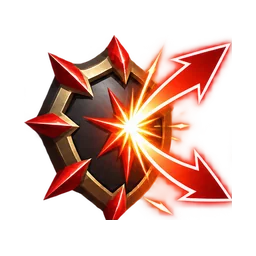
Vengeance Shield provides a shield and reflects some damage actually taken. It’s one direction to explore for a hero who needs to stay in the fight.
Damage absorbed by the shield isn’t reflected. Reading the conditions tells you more than simply adding “shield” and “reflect” together.
No skills is still a valid choice
You don’t have to fill the skill slots. You can try a build focused on stats and basic attacks.
Judge it by what the hero contributes to the team, not whether it has every kind of effect.
Think about the teammates
If Guardian survives but the team still lacks damage, you may need a stronger damage dealer rather than more defensive choices everywhere.
Healing or crowd control can also help another hero do their job. Look at the team as a whole, not just each hero on their own.
Test an idea and remember what happened
Watch a battle, identify one problem, and use it to guide your next build. Saved heroes can’t be edited, so check your choices before committing.
This guide doesn’t give away combination recipes or promise a team that always wins. Finding combinations you enjoy is part of the game.
The game is in development. These guides describe the current game; the interface and balance may change.